


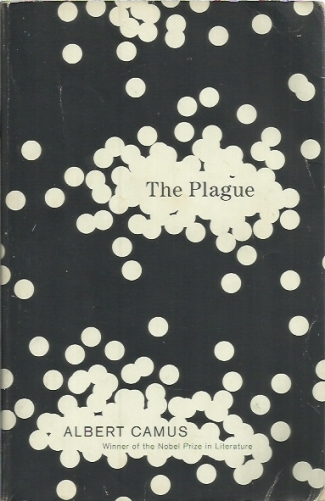
It tells the story from the point of view of a narrator of
a plague sweeping the French Algerian city of Oran. The
narrator remains unknown until the start of the last
chapter chapter 5 of part 5. The novel presents a snapshot
of life in Oran as seen through the authors distinctive
absurdist point of view. The book tells a gripping tale of
human unrelieved horror of survival and resilience and of
the ways in which humankind confronts death The Plague is
at once a masterfully crafted novel eloquently understated
and epic in scope and a parable of ageless moral resonance
profoundly relevant to our times. In Oran a coastal town
in North Africa the plague begins as a series of portents
unheeded by the people. It gradually becomes an
omnipresent reality obliterating all traces of the past
and driving its victims to almost unearthly extremes of
suffering madness and compassion. The Plague is considered
an existentialist classic despite Camus objection to the
label. The novel stresses the powerlessness of the
individual characters to affect their destinies. The
narrative tone is similar to Kafkas especially in The
Trial whose individual sentences potentially have multiple
meanings; the material often pointedly resonating as stark
allegory of phenomenal consciousness and the human
condition
- שם: The Plague
- מחבר: Albert Camus
- תחום: סיפורת
- תת תחום: ספרות מתורגמת
- מקט: ORB-707532













אין עדיין חוות דעת.